


This newsletter exists to uncover and explain new words and phrases which help understand trends unfolding in China today. And this week we’ve found a cracker of a new phrase to share with you.
It’s linked to how life in China for young people used to follow a predictable script, but is now changing.
From a young age, kids are put through a punishing education. “Chicken blood parents” (鸡娃家长) invest everything into their schooling all the way up to the gruelling “gaokao exams” (高考). University follows, which is just as competitive.
Then comes the search for a stable job, with more and more graduates opting to take “public service exams” (考公) in pursuit of the “iron rice bowl” (铁饭碗). The “pressure to get married” (催婚) sets in, especially for young women. Marriage and buying a home then follows.
Traditionally this has been when adulthood begins for young people in China.
But that is now changing. With millions of graduates each year competing for a shrinking pool of opportunities, the pressure is relentless. Increasing numbers of people in their twenties are ending up as “unfinished kids” (烂尾娃). Some opt out of finding a job altogether and move back in with their parents to “work” as “full-time children” (全职子女). Others rent rooms with friends in the city where they graduated and take underpaid “workhorse” (牛马) jobs. Many also push back on the pressure to get married.
According to one recent survey, half of fresh graduates in China say they lack a clear sense of purpose or direction.
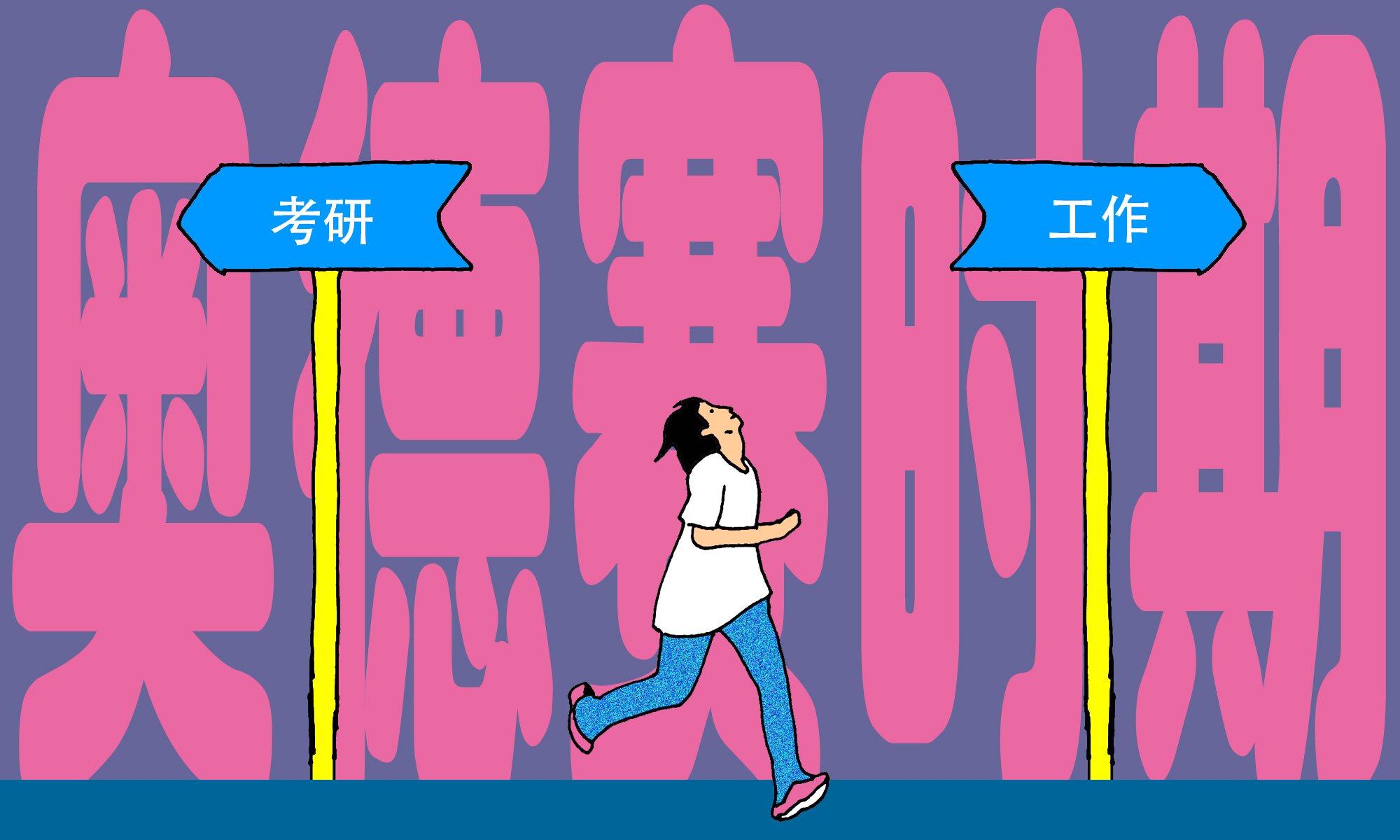
This experience now has a name. It’s a phrase which went viral on the Chinese internet earlier this year, and is explored in a recent article by current affairs magazine, Lifeweek (三联生活周刊).
The article opens with a familiar genre of street interview shared on social media in which passers-by are asked why they’re out on the streets on a normal working day during work hours.
The common answer is:
“I’m going through my Odyssey Years.’”
“我在经历我的奥德赛时期。”
Related


“Odyssey Years” (奥德赛时期) is a phrase borrowed from English. It’s become one of the biggest buzzwords in China this year. It was first coined back in 2007 by New York Times columnist David Brooks.
Brooks argued that life once had four stages: childhood, adolescence, adulthood, and old age. He suggested there are now at least six stages. Before old age comes an “active retirement”. And between adolescence and adulthood sits a decade of wandering, which he called “the Odyssey Years”.
This is a reference to the hero of Homer’s epic, The Odyssey. After the Trojan War, Odysseus, spent ten years enduring endless hardships before finally returning home to his wife and son, by which time he had become a resourceful and weathered man.
Nearly 20 years since it was first coined, “the Odyssey Years’ is now being used as a metaphor for young people in China who spend a decade feeling lost after graduating university.
“Raised in a tightly scripted childhood, today’s youth step into a world defined by uncertainty, trial-and-error, and endless possibilities after graduation.’”
这一代年轻人成长于结构严谨的童年,但毕业后却进入了一个充满不确定性、多样性、探索和尝试的世界。
The sudden popularity of the phrase in China, both on social media and even in the state media, can perhaps be put down to it being a sort of self-comfort. Invoking Odysseus makes the drifting feel less depressing, and offers hope that eventually a destination with be reached, and that everything will be okay.
Of course, many also disagree with this romanticised, propaganda-friendly interpretation. They argue that life in China is just getting worse and there is little or no hope of things improving for them. But nonetheless this phrase has definitely taken off and appears to be here to stay.
Another word has surfaced to explain the feeling of going through the Odyssey Years. It was a relatively uncommon single-character word until around three years ago when it started to become more widely used. That character is 苟 (gǒu) which we translate as “hanging in there”:
“Hanging in there” means knowing deep down that you still haven’t found your place and don’t yet have the ability to achieve the life you want.
“苟”是你心里清楚,自己还没有找到那个位置,还没有能力去实现想要的生活。
“Hanging in there” (苟) is not the same as “lying flat” (躺平), which is more like giving up. Instead, hanging in there, conveys a sense of sticking things out, getting through the “Odyssey Years”, until things improve and a destination is finally reached.
So that’s what we’re exploring this week!
Favourite Five
1. 漂泊 piāo bó
to drift, to lead a wandering life
社会框架给像她这样“漂泊”的人规划了一个岸 - Societal expectations have built a safe haven for people who are “drifting” through life like her. [2]
Related:
漂流 piāo liú – to drift, to float
北漂 běi piāo – people who move to Beijing to live and work (especially migrants chasing opportunities)
漂泊期 piāo bó qī – period of wandering, transitional period of drifting through life
2. 游历期 yóu lì qī
period of exploration, period of wandering
这是一段“游历期”,你需要走出去见天地,拓宽认知的边界 - This is a period of wandering, a time to venture out, see the world and challenge your understanding. [3]
3. 三十而立 sān shí ér lì
to be established by the age of thirty, to be settled in life by thirty
在30岁焦虑前徘徊的年轻人,职业与婚育尚未按照社会时钟“正常推进”,无法达成“三十而立”,一切都是“不确定” - Young people are anxious about turning 30, if their career and relationships haven’t hit the milestones of the societal timeline. It means they can’t “get their lives together” by thirty. For them, everything remains up in the air. [2]
4. 定海神针 dìng hǎi shén zhēn
stabilising force, anchor
她找到了自己的定海神针,接受了如奥德赛一般“长久漂流”的状态 - She found her anchor and embraced a permanent state of wandering, much like Odysseus. [2]
5. 奥德赛时期 ào dé sài shí qī
Odyssey Years
现在那些在上班时间游荡的人可能会告诉你,“我在经历我的奥德赛时期。” - Now, those people wandering around on a normal working day might tell you: “I’m going through my Odyssey Years.” [1]
Related:
成年初显期 chéng nián chū xiǎn qī – emerging adulthood
💡 Want to close the gap between your rusty textbook Chinese and the real thing? 💡
The RTM Plus membership will help you do just that.
It gives you the tools, resources, and content you need to getg motivated, build a habit, and make real progress.
It including podcasts, app integrations, and much more and is ideal if your Chinese was once strong but has got rusty.
And you want to get your confidence back.
All while staying on top of what people in China are actually talking about right now.
Consuming the Conversation
Useful words
6. 苟 gǒu
to hang in there, hold on
“苟”是你心里清楚,自己还没有找到那个位置,还没有能力去实现想要的生活 - “Hanging in there” means knowing deep down that you still haven’t found your place and don’t yet have the ability to achieve the life you want. [3]
Note: originally a concept from gaming.
7. 迷茫 mí máng
confused, lost
许多大学生在毕业后的头几年里,虽然怀揣梦想,却感到迷茫 - Many young people feel lost during the first few years after graduation, even though they have their dreams. [1]
Related:
迷失 mí shī – to lose one’s way, to feel lost
8. 拼搏 pīn bó
to strive, to fight hard
奋斗岁月的艰辛教会了他们如何拼搏 - The grueling years of struggle have taught them how to keep going. [1]
9. 曲折 qū zhé
twisting, full of setbacks
在前50名受试者中,有45人详细描述了职业道路的艰难和曲折 - Out of the 50 participants, 45 people recounted in detail the struggle and the setbacks they went through in their careers. [1]
Related:
挣扎 zhēng zhá – to struggle
绕路 rào lù – to take a detour
10. 苦涩 kǔ sè
bitter, bittersweet
他们苦涩又豪迈地把自己长达十年的迷茫期浪漫化为一种史诗般的归乡之旅 - With a mix of bitterness and defiance, they romanticised their decade-long drift into an epic homecoming. [1]
11. 裸辞 luǒ cí
to quit without another job lined up, to resign without a backup plan
当28岁来临时,她发现裸辞导致自己心中的恐惧在不断放大 - As she hit twenty-eight, the reality of quitting her job began to feed a growing sense of dread. [2]
12. 解法 jiě fǎ
solution, way to solve something
张小麦辞职是为了求得一个度过奥德赛时期的解法 - Zhang Xiaomai quit her job in search of a way to get through her Odyssey Years. [2]
13. 馈赠 kuì zèng
gift, blessing
原来迷茫在某种程度上是馈赠,禾晴转变了心态 - Heqing came to realize that feeling lost is a gift to a certain extent, and this changed her mindset. [2]


