



Welcome to RealTime Mandarin, a free weekly newsletter that helps you improve your Mandarin in 10 minutes a week.
Subscribe today to get your fluency back, stay informed about China, and communicate with confidence in Chinese — all through immersion in real news.
On March 17, rumours began circulating in Chinese tech industry group chats that iFlytek (科大讯飞), a leading AI and speech recognition company, was planning large-scale layoffs of software engineers.
As speculation spread, iFlytek’s Vice President, Han Yucheng (韩煜尘) denied it as “fake news.”
The following day, similar rumours swirled about NetEase (网易), one of China’s largest internet and gaming companies, which was also allegedly planning a large-scale “clear-out of all contract staff” (全面清退外包).
NetEase Games has a total workforce of around 20,000. The majority of those are game developers, of which 10-15% are outsourced. According to these latest rumours, the “clear out” would be done by removing 30% of outsourced contractors by April, and the rest of them would be removed by May.
Following the playbook of iFlytek, NetEase released a statement saying the rumours were false, and that any recent personnel changes were normal “replacements” (汰换) through routine staff rotation in the business.
But rather than use the neutral word for “replace” (which is 替换 in Chinese), NetEase used a more loaded term, which suggests the rumours might well be true.
The expression used in the statement was “remove and replace” (汰换), which combines the word for “eliminate” (淘汰) and “replace” (替换). In corporate speak this means getting rid of underperforming staff and replacing them — either with higher quality talent, or AI.
Related


The rumours emanating from NetEase and iFlytek have hit a nerve with many employees precisely because of the impact that AI is now having on China’s tech sector.
One employee tech sector employee quoted in the media captures this sentiment:
“Two years ago, it was ‘AI is here — how exciting’.
This year, it’s ‘AI is here — how terrifying’.
It’s not some distant, abstract terror, but the kind of immediate terror where people around you are actually getting laid off.”
前两年是”AI来了,好激动”,今年变成了”AI来了,好焦虑”。不是那种遥远的、跟我不相干的焦虑,是那种——身边真有人被裁了的焦虑。
The writer also drew a parallel between tech employees today and the Luddites — textile workers in early 19th century Britain who faced being replaced by machines that were faster, cheaper, and never needed to sleep.
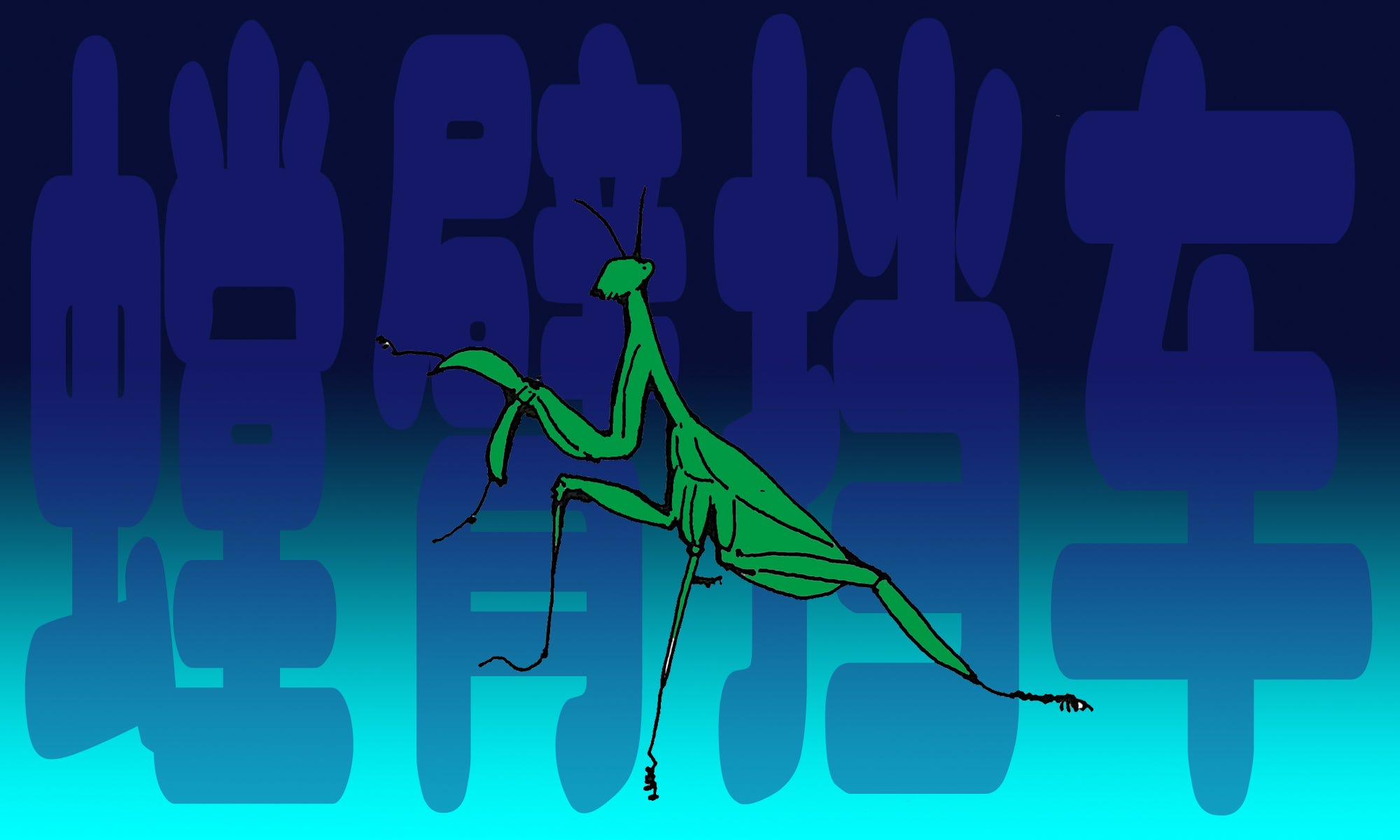
Their resistance against change at that time was futile, just like those anxious tech employees in China today — which in Chinese can be expressed with a beautifully visual idiom:
“Like a mantis trying to stop a chariot”
螳臂当车
The concern among tech and gaming workers is real. And the consensus is that this round of personnel “optimisations” (优化) is linked to the accelerated adoption of AI.
“It’s an industry-wide consensus that the use of AI has become pretty much ubiquitous across game publishing.”
几乎所有公司在发行这块对AI的使用都比较泛滥,这早就是行业内的共识。
Employees believe major tech companies are actively "replacing humans with AI" (AI替代人类), not just encouraging its use as a support tool. These ongoing fears are why rumours of large-scale layoffs have caused such a strong reaction.
Because for many workers, the question is no longer whether AI will change their industry, but whether there will be a place for them in it at all. Just like the mantis raising its arms against the chariot, they feel powerless in the face of an unstoppable force.
So that’s what we’re exploring this week!
Favourite Five
1. 清退 qīng tuì
dismiss, lay off
网易旗下多个部门都或多或少地开始了外包清退工作 - Many departments in NetEase have started to lay off contractors. [1]
2. 汰换 tài huàn
replace, upgrade
近期发生的人员变动仅为部分项目的正常业务调整与人员汰换 - The recent personnel changes reflect normal operational realignments and routine talent optimization within specific projects. [1]
3. 螳臂当车 táng bì dāng chē
a mantis trying to stop a chariot, overestimate one’s ability
历史书把他们写成笑话:一群害怕进步的落后分子,螳臂当车 - History books wrote them off as a joke: a bunch of Luddites clinging to the past, like a mantis trying to stop a chariot. [2]
4. 不寒而栗 bù hán ér lì
shudder with fear, tremble involuntarily
如果我们不采取行动,未来的场景可能令人不寒而栗 - If we don’t take action, what might happen in the future could make us shudder with fear. [2]
5. 两极分化 liǎng jí fēn huà
polarisation, extreme divide
这就导致了一个两极分化的局面 - This has created two vastly different results. [3]
Consuming the Conversation
💡 Ready to get inspired to bridge the gap to real-world fluency? 💡
In every RTM Advanced post you unlock content and tools to inspire you, and help you get fluent.So, ready to finally get started and wave goodbye to that nagging rusty feeling?
Let’s jump in👇
Consuming the Conversation
Useful words
6. 忐忑 tǎn tè
uneasy, anxious
他们因此“很忐忑,怕拿不到赔偿” - There was great uncertainty and they were afraid that they wouldn’t receive their severance package. [1]
7. 征兆 zhēng zhào
sign, indication
阿乐告诉触乐,清退外包并非毫无征兆 - Ale told Chuapp that the layoff of contractors didn’t come exactly as a surprise. [1]
8. 风声 fēng shēng
rumour, news
清退外包并非毫无征兆,早在去年就有了些风声 - The layoff of contractors didn’t come out of the blue, as there were already signs of it a year ago. [1]
9. 端倪 duān ní
clue, trace
公布了(对AI介入工作流的具体要求后)才察觉之前就有端倪 - Only after they announced the AI requirements did we start connecting the dots about those earlier signs. [1]
10. 焦虑 jiāo lǜ
anxious, worried
今年变成了“AI来了,好焦虑” - This year, it’s “AI is here — how terrifying”. [2]
Related:
绝望 jué wàng – despair
11. 阵痛 zhèn tòng
growing pains, temporary pain
它巧妙地映射了当下整个科技行业正在发生的真实阵痛 - It encapsulates the growing pains that are clearly felt by the entire tech industry. [3]
12. 优化 yōu huà
optimize, streamline
很多人还没反应过来,就发现自己的工作已经被“优化”了 - Before most people realised what had happen, they found that their roles had been “optimised away”. [2]


